Choosing a reliable broker is one of the most important steps for traders. A broker’s regulatory status can significantly affect the safety of your funds and the quality of your trading experience.
In this guide, we explain why regulation matters and break down the differences between Tier 1, Tier 2, and Tier 3 regulators, helping you make informed trading decisions.
1. What is Broker Regulation?
Broker regulation is oversight by a recognized financial authority to ensure brokers operate ethically, transparently, and securely. Regulatory authorities enforce rules designed to protect traders, such as:
- Segregating client funds from operational accounts
- Maintaining transparent fee structures
- Providing fair and ethical trading practices
- Offering legal recourse in case of disputes
A regulated broker is generally safer than an unregulated one, although no system can guarantee zero risk.
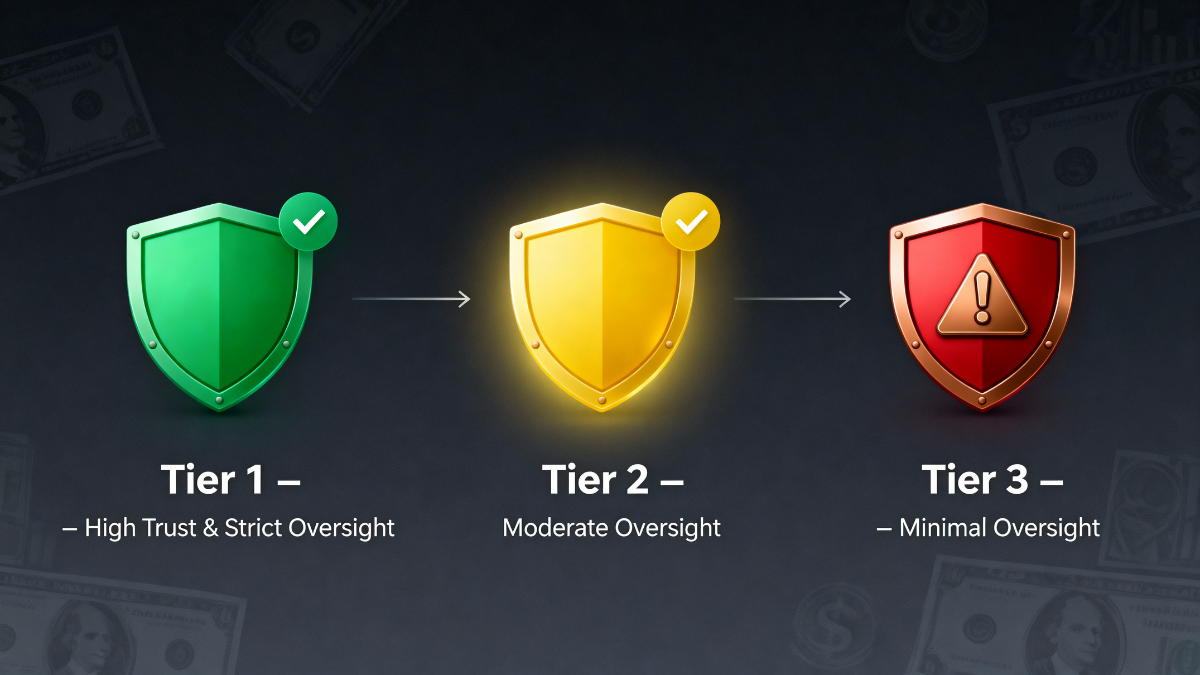
2. Tier 1 Regulators – High Trust and Strict Oversight
Tier 1 regulators are considered the most trustworthy and provide the strongest protections for traders. Brokers under Tier 1 authorities must comply with strict operational standards.
Examples of Tier 1 Regulators:
- Financial Conduct Authority (FCA) – UK
- Australian Securities & Investments Commission (ASIC) – Australia
- Commodity Futures Trading Commission (CFTC) – USA
Key Advantages:
- Investor protection schemes and compensation in some cases
- High transparency and strict reporting requirements
- Strong enforcement of ethical trading practices
Tip: Traders often choose Tier 1 brokers even if fees or leverage options are slightly less favorable because of the added security.
3. Tier 2 Regulators – Moderate Oversight
Tier 2 regulators offer a moderate level of protection. They enforce some regulations and provide safeguards, but oversight may not be as strict as Tier 1.
Examples of Tier 2 Regulators:
- Cyprus Securities and Exchange Commission (CySEC)
- Financial Sector Conduct Authority (FSCA) – South Africa
Key Points:
- Some investor protection schemes available
- Regulatory requirements are moderate
- Traders should still research broker history, reputation, and withdrawal processes
Tier 2 brokers are generally safe, but extra diligence is recommended.
4. Tier 3 Regulators – Minimal Oversight
Tier 3 regulators provide the least oversight. Brokers regulated only by Tier 3 authorities may operate legally but offer limited protections for traders.
Common Features of Tier 3 Brokers:
- Regulatory compliance may be minimal
- Limited or no investor compensation schemes
- Higher risk of unethical practices
Caution: Traders dealing with Tier 3 brokers should exercise extra care, test withdrawal processes, and only deposit what they can afford to risk.
5. Why Regulation Matters
Understanding broker regulation is critical because it affects:
- Fund Safety: Segregated accounts and compensation schemes protect your money
- Transparency: Regulated brokers are required to provide clear information on fees and trading conditions
- Fair Practices: Regulations enforce ethical behavior and reduce the risk of scams
- Legal Recourse: Regulation allows traders to escalate disputes through legal or regulatory channels
Conclusion
Regulation is one of the most important factors when choosing a broker. Tier 1 regulators offer the strongest protections, Tier 2 provides moderate oversight, and Tier 3 offers minimal protection.
Always check a broker’s regulatory status and combine this with reputation checks, withdrawal testing, and transparency reviews to ensure a safe trading experience.
Visit Broker Reviewers to read verified broker reviews and make informed trading decisions.
Protect your funds—verify your broker’s regulatory tier and read reviews from real traders on Broker Reviewers today!
Frequently Asked Questions (FAQs)
Yes. Even regulated brokers can have poor practices. Always check user reviews, fees, and withdrawal reliability.
Check the official regulator’s website and search for the broker’s license number to confirm authenticity.
Tier 2 brokers are generally safe but require extra diligence. Research history, reputation, and withdrawal processes before depositing.
Tier 1 brokers offer strong investor protection, transparency, and ethical oversight, making them the safest option for traders.
Yes, but only after thorough research and by limiting deposits to what you can afford to risk. Always test withdrawals first.