
Depositing money with a broker can feel risky if you’re not sure about their legitimacy. Understanding how to verify a broker’s safety is essential for protecting your funds and trading experience.
This guide will cover the key factors that help you assess a broker’s reliability before making any deposit.
Learn more about brokers and read verified user reviews on Broker Reviewers.
1. Check Regulation and Licensing
A key indicator of broker safety is whether it is regulated by a recognized financial authority. Regulation ensures that brokers follow strict rules regarding fund security, transparency, and fair trading practices.
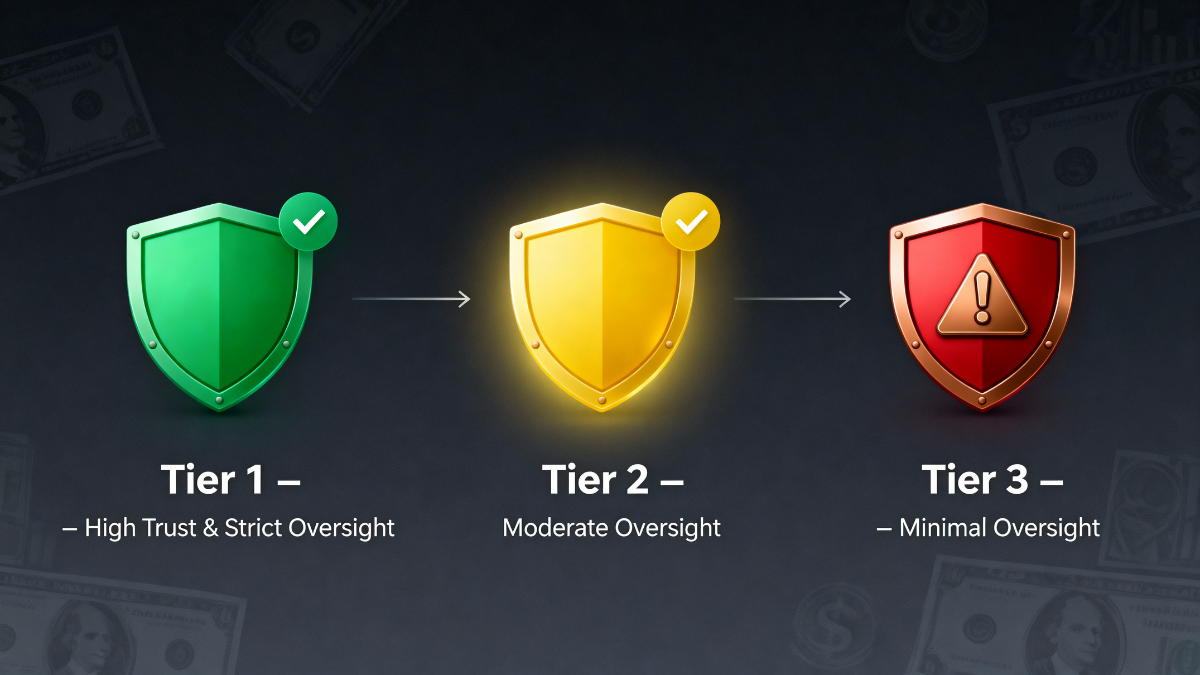
Brokers can be regulated under different tiers, reflecting the strength and strictness of the authority:
- Tier 1 Regulators – Highly Regulated: Brokers under these authorities are typically considered more robust and transparent.
- Tier 2 Regulators – Moderately Regulated: These brokers generally operate safely but require a careful review.
- Tier 3 Regulators – Lightly Regulated: Brokers here may operate legitimately, but traders often exercise additional caution.
Understanding regulation tiers can help you evaluate broker reliability without implying direct recommendations.
2. Look for Transparency and Professionalism
Safe brokers are usually transparent about their services, fees, and policies:
- Clear terms and conditions
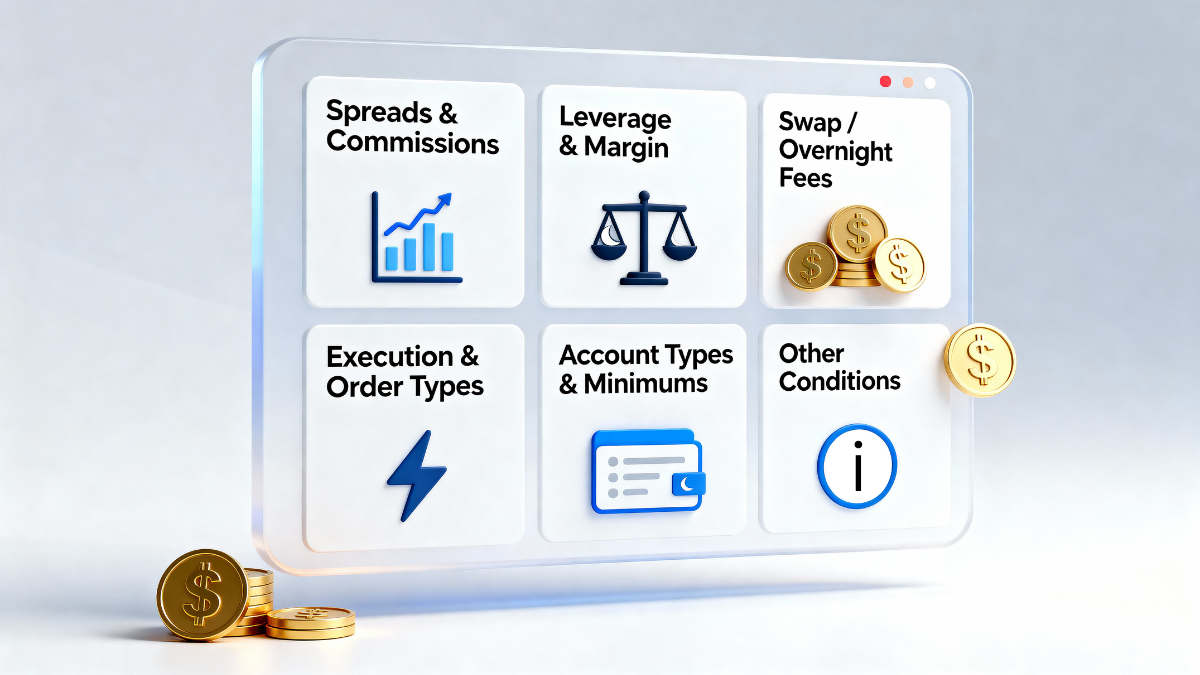
- Transparent trading fees, spreads, and commissions
- Publicly available risk disclosures
- Easy access to company information and contact details
Professionalism in communication and presentation often reflects a broker’s commitment to ethical practices.
3. Research Broker Reputation
A broker’s reputation is a strong indicator of safety:
- Check for verified user reviews
- Look for reports of withdrawal delays, hidden fees, or unethical behavior
- Consider the broker’s presence in the market and its history
Avoid brokers with frequent complaints or unclear histories, even if they offer attractive trading conditions.
4. Identify Red Flags
Some warning signs can indicate a broker may not be safe:
- Promises of guaranteed profits or unusually high returns
- Unclear regulatory status or fake licensing claims
- Poor customer service or lack of professional communication
- Complicated or suspicious withdrawal processes
Being alert to these red flags can save traders from potential scams or fund loss.
5. Verify Fund Safety Measures
A safe broker typically has measures in place to protect your money:
- Segregated client accounts to separate your funds from the broker’s operational funds
- Compensation schemes or insurance in certain jurisdictions
- Clear, fast, and reliable withdrawal processes
Conclusion
Ensuring a broker is safe before depositing is a crucial step in trading. Focus on regulation, transparency, reputation, red flags, and fund protection measures to minimize risk. Taking the time to verify a broker can help secure your funds and improve your trading experience.
Visit Broker Reviewers to learn more about brokers and read verified user reviews.
Frequently Asked Questions (FAQs)
Check the broker’s website for regulatory information and confirm the license with the authority. Regulation ensures basic safety standards are met.
No. Brokers are regulated under different tiers, with Tier 1 providing the strictest oversight and Tier 3 the lightest. Understanding tiers helps assess risk.
Unrealistic profit promises, unclear regulatory status, poor customer service, or complicated withdrawal processes are major warning signs.
Very important. Verified user reviews, complaints history, and market presence provide insights into the broker’s reliability and professionalism.
They reduce risk, but no measure can guarantee complete safety. Always combine fund protection with regulation, transparency, and reputation checks.