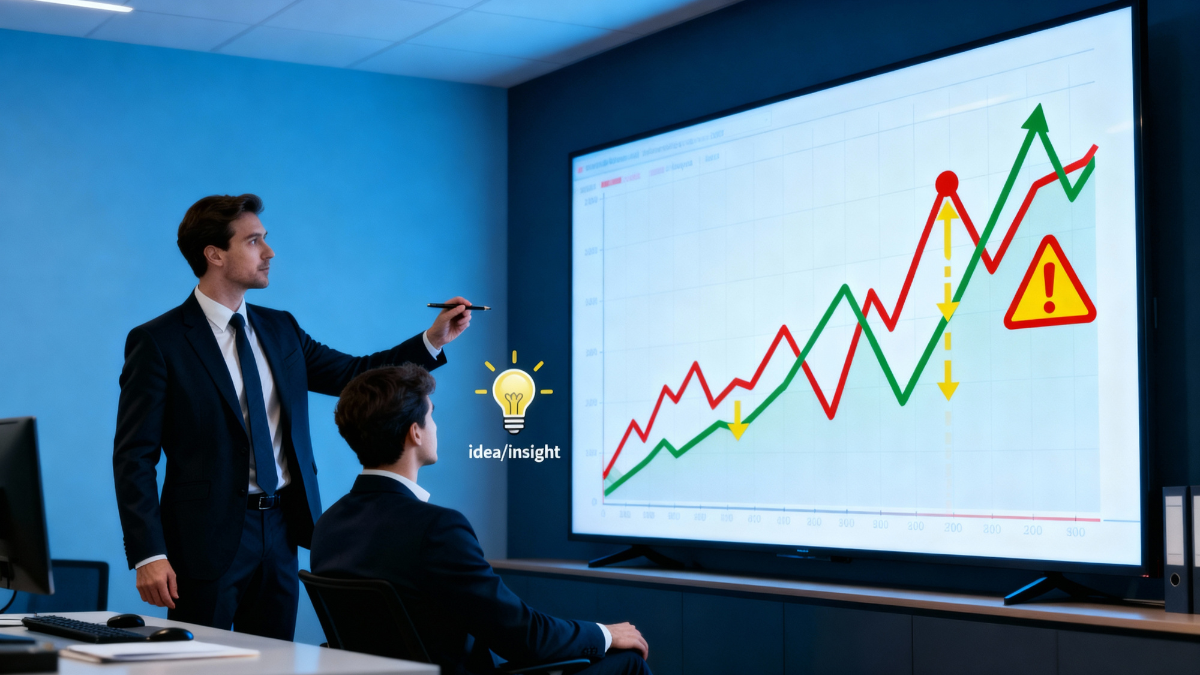
Trading involves risk, and brokers play a critical role in ensuring that traders understand the potential gains and losses. Clear communication about risk is essential for protecting traders, building trust, and promoting responsible trading.
This guide explains how brokers should communicate risk, what to look for in risk disclosures, and how traders can use this information to make informed decisions.
1. Importance of Risk Communication
A broker’s responsibility is not just to execute trades but to educate and inform traders about the risks involved. Effective risk communication helps traders:
- Understand potential losses before opening trades
- Avoid over-leveraging or excessive risk-taking
- Make informed decisions about trading strategies
- Reduce the likelihood of misunderstandings or disputes
Without proper risk communication, traders may be exposed to unexpected losses or unsafe trading conditions.
2. Key Elements of Risk Communication
a. Clear Risk Disclosures
Brokers should provide clear statements about the risks of trading, including:
- High volatility of forex, CFDs, or other instruments
- Potential for losses exceeding deposits in leveraged trading
- Market conditions that may lead to slippage
This ensures traders know what they’re signing up for before depositing funds.
b. Leverage and Margin Warnings
Leverage increases potential profits but also magnifies losses. Brokers should clearly communicate:
- How leverage works
- Margin requirements and maintenance
- Risks associated with high leverage
Learn more in Leverage Explained — How It Really Works.
c. Platform and Execution Risks
Traders should be informed about:
- Execution types (market vs. instant)
- Possible slippage in volatile markets (What Really Causes Slippage During Trading)
- Downtime or technical limitations of trading platforms
3. Transparency in Communication
Transparent brokers:
- Display risk warnings prominently on websites, account dashboards, and trading platforms
- Use clear, simple language, avoiding jargon that beginners may not understand
- Provide FAQs, tutorials, or educational material to reinforce understanding
Traders should feel confident that they fully understand potential risks before trading.
4. Ongoing Risk Education
Good brokers offer continuous education about risk, including:
- Webinars, guides, and videos explaining trading risks
- Risk management strategies such as stop-loss, take-profit, and position sizing
- Updates on market events that may affect volatility
This proactive approach helps traders make safer, more informed decisions.
5. Red Flags of Poor Risk Communication
Be cautious if a broker:
- Provides minimal or hidden risk disclosures
- Encourages high leverage without warnings
- Fails to explain fees, spreads, or execution risks
- Uses aggressive marketing promising guaranteed profits
These practices can put traders at significant risk and may indicate an unreliable broker.
6. Benefits of Effective Risk Communication
- Informed Decisions: Traders understand potential outcomes and trade responsibly.
- Trust and Confidence: Transparency builds trust in the broker.
- Reduced Disputes: Clear communication prevents misunderstandings about losses or fees.
- Better Risk Management: Traders can implement strategies to protect their funds effectively.
Conclusion
A broker’s responsibility extends beyond facilitating trades—they must communicate risk clearly, transparently, and proactively. Traders should look for brokers who provide detailed risk disclosures, ongoing education, and transparent warnings about leverage, margin, and market volatility.
By choosing brokers who prioritize risk communication, traders can make informed decisions, manage risk effectively, and improve their overall trading experience.
Protect your funds and trade responsibly—read verified broker reviews on Broker Reviewers to choose brokers who clearly communicate risk and prioritize trader safety.
Frequently Asked Questions (FAQs)
It ensures traders understand potential losses, avoid excessive risk, and make informed trading decisions.
No, some may minimize risk warnings or use aggressive marketing. Always check reviews and disclosures.
Clear disclosures, leverage warnings, transparent fees, educational resources, and proactive guidance.
Not entirely—trading always carries risk—but it helps traders manage and reduce potential losses.
Use broker educational resources, demo accounts, and practice risk management strategies consistently.