Trading online can be profitable, but it also carries risks—especially when dealing with unscrupulous brokers. Some brokers are outright scams, designed to take your money without providing a legitimate trading service.
This guide explains the most common broker scams and provides practical tips to protect yourself.
Learn more about brokers and read verified user reviews on Broker Reviewers.
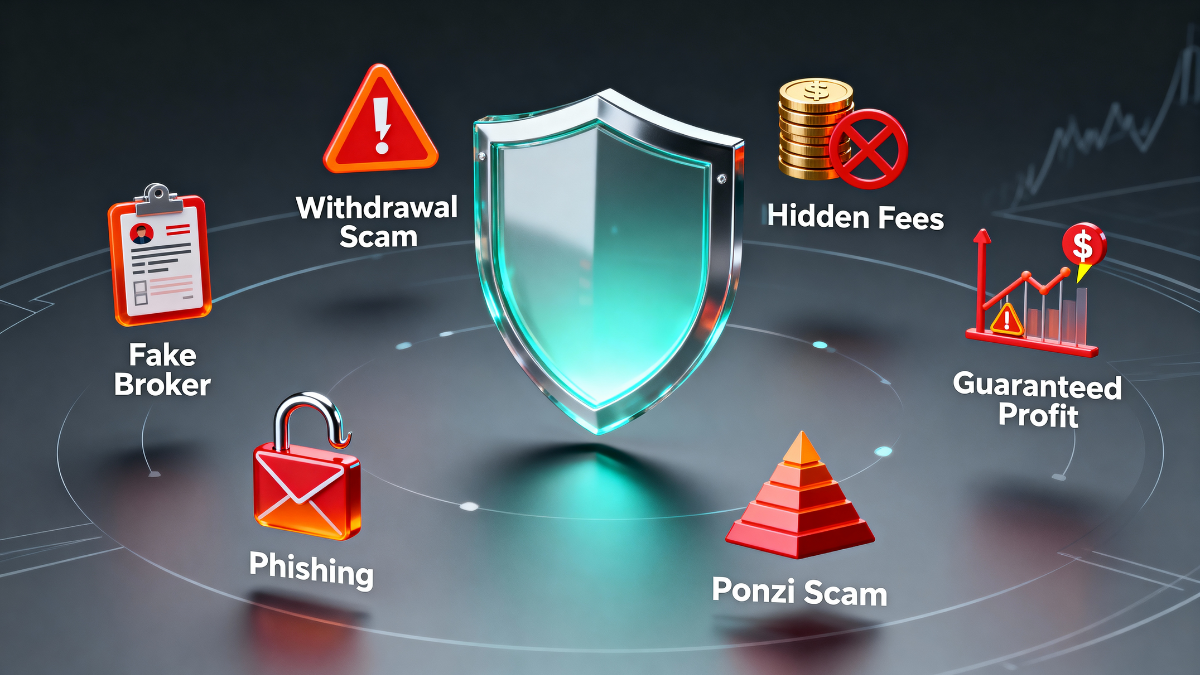
1. Fake or Unregulated Brokers
What It Is:
Some brokers claim to be regulated but either provide fake licenses or operate without any regulatory oversight.
Warning Signs:
- No license number provided or unverifiable license
- Regulation claimed from obscure or unrecognized authorities
- Websites that mimic legitimate brokers
Protection Tips:
- Always verify the license directly on the regulator’s official website
- Avoid brokers with inconsistent or unverifiable regulatory information
2. Withdrawal Scams
What It Is:
A broker may allow deposits but create obstacles when you try to withdraw your funds.
Warning Signs:
- Excessive documentation requests
- Unexplained delays in processing withdrawals
- Sudden “policy changes” restricting withdrawals
Protection Tips:
- Test withdrawals with a small amount first
- Read user reviews to check for repeated withdrawal complaints
3. Hidden Fees and Manipulated Spreads
What It Is:
Some brokers hide fees or manipulate spreads to make trading unprofitable.
Warning Signs:
- Fees or spreads not clearly listed
- Unexpected charges during deposits or withdrawals
- Discrepancies between demo account performance and live trading
Protection Tips:
- Always read the broker’s fee schedule thoroughly
- Compare spreads and commissions with other brokers before depositing
4. Signal Seller or “Guaranteed Profit” Scams
What It Is:
Some brokers or affiliates promise guaranteed profits or sell trading signals that claim to make you rich quickly.
Warning Signs:
- Claims of risk-free trading or guaranteed returns
- High-pressure marketing to invest immediately
- Promises of unrealistic profits in a short time
Protection Tips:
- Remember that all trading carries risk—no legitimate broker can guarantee profits
- Avoid brokers or services that pressure you to deposit quickly
5. Phishing and Account Takeover
What It Is:
Fraudsters may try to steal your login credentials or personal information to access your trading account.
Warning Signs:
- Emails or messages asking for passwords or personal info
- Suspicious links to login pages
- Unverified phone calls claiming to be support
Protection Tips:
- Only log in through official broker websites or apps
- Enable two-factor authentication (2FA) if available
- Never share passwords or personal info over email or phone
6. Ponzi or Investment Scams
What It Is:
Some brokers offer “investment schemes” that pay returns using deposits from new traders rather than actual trading profits.
Warning Signs:
- Promises of high, consistent returns regardless of market conditions
- Referral programs that reward recruiting new traders heavily
- Lack of transparency about how funds are invested
Protection Tips:
- Stick to brokers with verified trading history
- Be cautious of schemes that prioritize recruitment over trading performance
Conclusion
Broker scams come in many forms, from fake licenses and withdrawal delays to hidden fees and phishing attacks. Awareness and caution are your best defenses.
Always verify regulation, research reputation, check withdrawal reliability, and be wary of promises that sound too good to be true. Protecting your funds ensures a safer and more successful trading experience.
Visit Broker Reviewers to read verified broker reviews and make informed trading decisions.
Stay safe while trading—check broker reviews, verify regulation, and share your experience with the trading community on Broker Reviewers today!
Frequently Asked Questions (FAQs)
Check their regulatory license on official websites, read user reviews, and research withdrawal reliability.
No. Even regulated brokers can have poor practices. Always combine regulation checks with reputation research.
Stop depositing funds, report the broker to the regulator, and warn other traders through verified review platforms.
Use strong passwords, enable two-factor authentication, and log in only through official broker sites or apps.
Be cautious. Ponzi-style schemes often use referral bonuses to recruit new traders instead of conducting legitimate trading.