When selecting a broker, transparency is one of the most critical qualities to consider. Transparent brokers clearly communicate their fees, trading conditions, regulations, and policies, which builds trust and ensures a safer trading environment.
This guide explains why transparency matters, how to evaluate a broker’s transparency, and what red flags to watch for before opening an account.
1. What Does Transparency Mean in Trading?
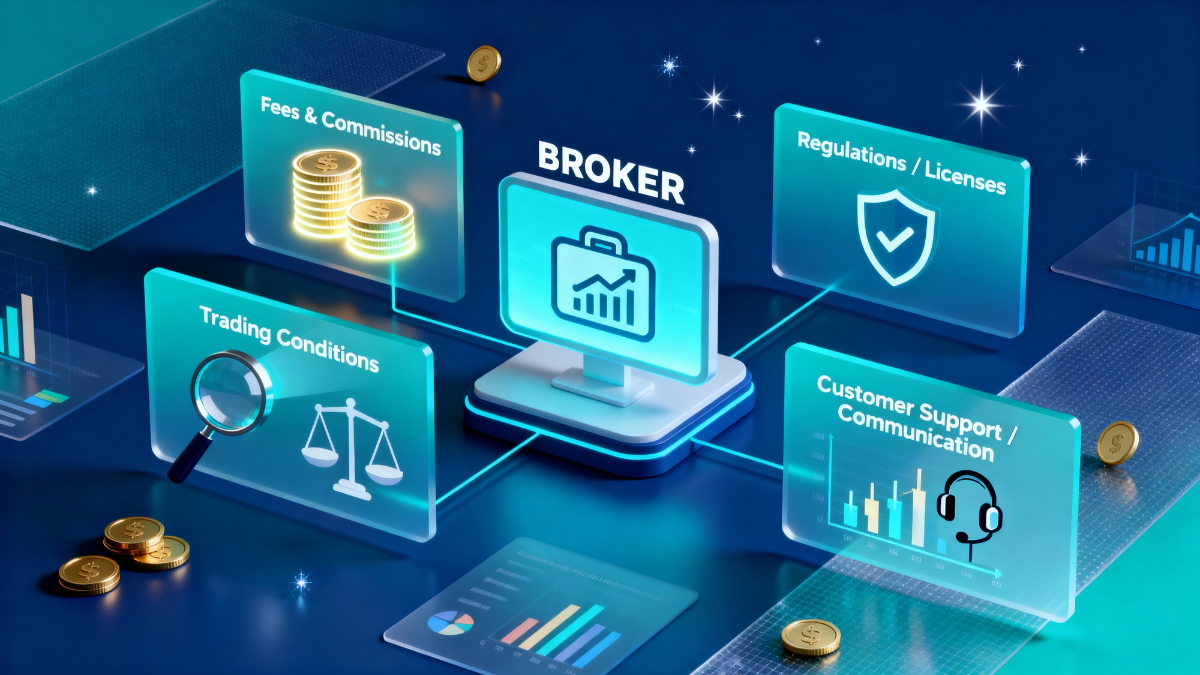
A transparent broker provides clear, honest, and accessible information about all aspects of their services, including:
- Trading fees and spreads
- Account types and minimum deposit requirements
- Withdrawal and deposit procedures
- Regulatory status and licensing
Transparency ensures traders know exactly what to expect and can make informed decisions without surprises.
2. Why Transparency Matters
a. Builds Trust
Traders are more likely to trust a broker who openly discloses fees, policies, and operational details. Trust is especially important when your funds are involved.
b. Reduces Risk of Hidden Costs
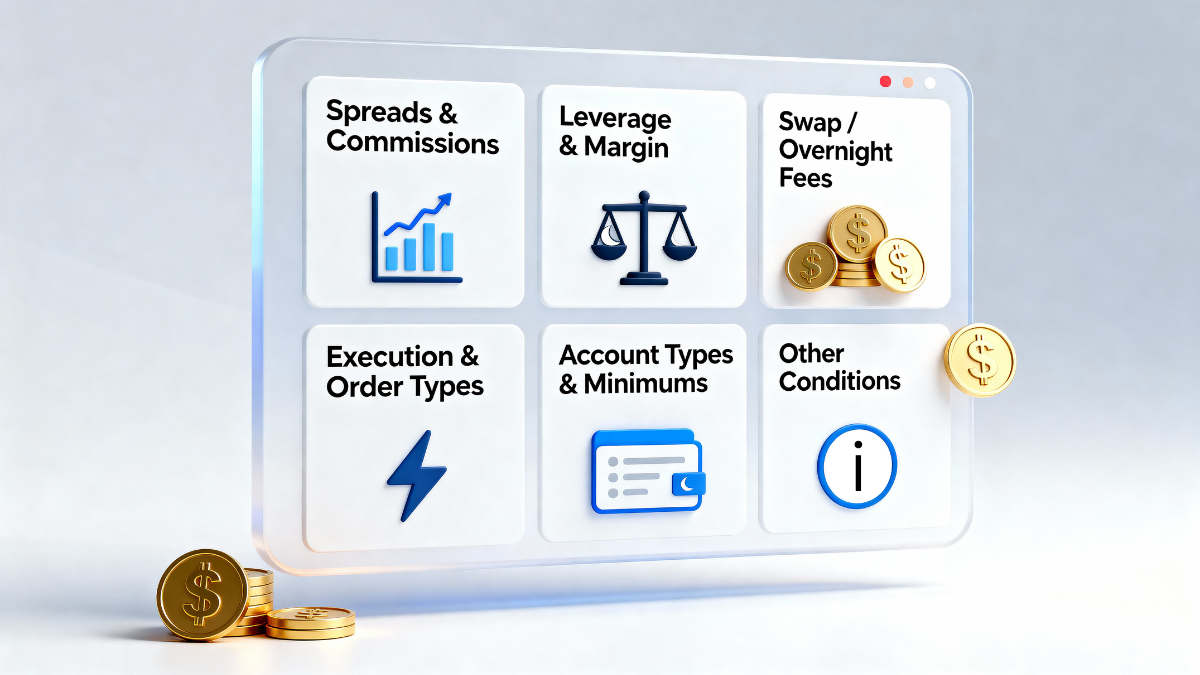
Transparent brokers clearly list spreads, commissions, swap fees, and withdrawal costs, preventing unexpected charges. Learn more in How to Understand a Broker’s Fee Structure.
c. Improves Decision-Making
Knowing all trading conditions allows traders to compare brokers effectively and choose the one that fits their strategy.
d. Helps Identify Unsafe Brokers
Opaque communication, hidden fees, or unclear policies can indicate scams or unreliable brokers. Learn more about red flags in Top Red Flags That Mean You Should Avoid a Broker.
3. How to Evaluate a Broker’s Transparency
a. Check Regulatory Information
A trustworthy broker clearly displays its regulatory authority and license number. Verify this information with the relevant regulator. Learn more in How to Check a Broker’s Licence (For Beginners).
b. Review Fee and Trading Conditions Pages
Brokers should provide detailed spreads, commissions, leverage, margin, and swap information. See How to Read a Broker’s Trading Conditions Page for guidance.
c. Evaluate Communication
Transparency also applies to support interactions. Clear, professional, and responsive support indicates a broker values openness. Learn more in What a Good Customer Support Interaction Should Feel Like.
d. Check Withdrawal and Deposit Policies
Transparent brokers clearly state processing times, limits, and fees for deposits and withdrawals. Learn more in Why Withdrawal Fees Can Be a Hidden Cost.
4. Red Flags of Non-Transparent Brokers
- Hidden fees or vague pricing
- Unclear regulatory or licensing information
- Confusing terms and conditions
- Delayed or inconsistent communication
- Lack of history or verified user reviews
Avoiding brokers with these red flags reduces the risk of scams or fund mismanagement.
5. Benefits of Trading with Transparent Brokers
- Safer Funds: Transparency ensures your money is handled according to regulations.
- Better Planning: You can calculate trading costs accurately and manage risks.
- Confidence in the Broker: Open communication builds trust and improves your overall trading experience.
- Fewer Surprises: Clear policies prevent unexpected fees or account issues.
Conclusion
Transparency is the foundation of a trustworthy broker. By evaluating a broker’s regulatory status, fee disclosure, account policies, and communication, traders can make informed decisions and avoid unnecessary risks. A transparent broker ensures your funds are secure and your trading experience is smooth.
Choose brokers that prioritize transparency—read verified broker reviews on Broker Reviewers to trade confidently and safely.
Frequently Asked Questions (FAQs)
It ensures clear communication about fees, policies, and trading conditions, reducing surprises and risks.
Review their regulatory information, trading conditions page, and customer support interactions.
Yes, some brokers may be regulated but still hide fees or communicate unclearly. Always verify policies and read reviews.
Hidden fees, unclear terms, slow support, and lack of regulatory details are major warning signs.
Indirectly, yes. Clear understanding of fees, execution, and policies helps you plan trades more effectively.